Green Building Solutions: Designing Low-Impact Facilities
Category :
Eco Innovations
6 min Read
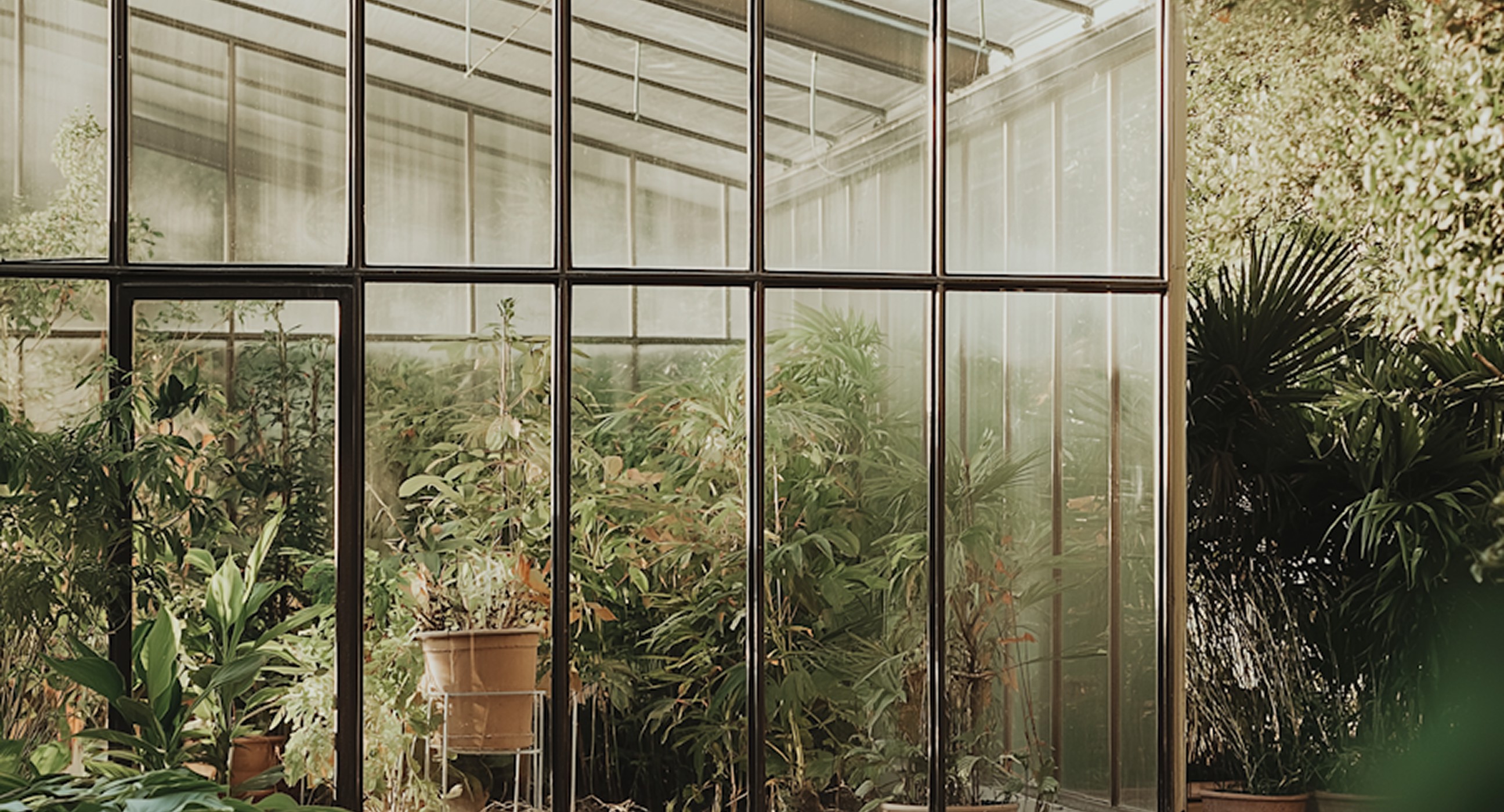
The built environment accounts for a significant share of global energy consumption and carbon emissions. As cities expand and infrastructure demands increase, green building solutions become essential for reducing environmental impact. By integrating sustainable design principles, energy-efficient systems, and eco-friendly materials, organizations create facilities that support environmental stewardship and long-term economic value.
Sustainable Design Principles in Modern Construction
Green buildings are designed to minimize energy usage, conserve water resources, reduce waste generation, and enhance occupant well-being. From passive solar architecture to advanced HVAC optimization, every component contributes to lowering the overall environmental footprint.
Energy-efficient lighting and HVAC systems
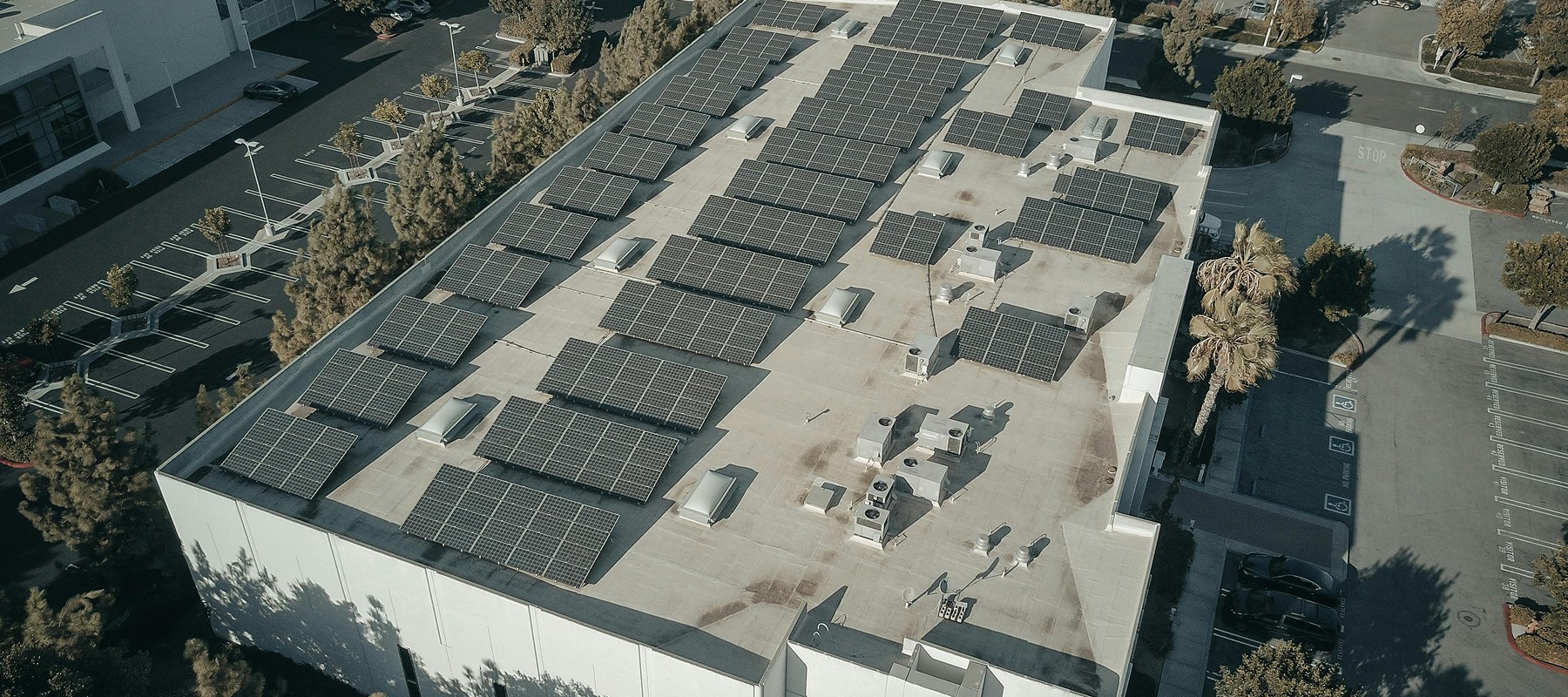
Renewable energy integration (solar panels, geothermal systems)
Water-saving fixtures and rainwater harvesting
Sustainable and recycled construction materials
Improved indoor air quality and natural lighting
Materials and Technology Driving Sustainability
Innovative construction materials and digital technologies are transforming how facilities are designed, constructed, and operated. Smart building management systems optimize energy consumption in real time, while advanced insulation and high-performance glazing reduce heating and cooling demands.
“Sustainable buildings are not just structures; they are long-term investments in environmental responsibility, human health, and economic resilience.”
Economic and Environmental Benefits
Green buildings deliver measurable returns through reduced operational expenses, increased property value, and enhanced workplace productivity. Energy savings alone can offset initial investment costs over time, making sustainability financially viable.
Reduced utility and maintenance expenses
Lower carbon footprint and regulatory compliance
Enhanced employee well-being and productivity
The Future of Low-Impact Infrastructure
As climate regulations tighten and stakeholder expectations continue rising, sustainable construction practices evolve rapidly. Net-zero buildings, circular material strategies, and climate-resilient design approaches are shaping the next generation of infrastructure development.
Conclusion
Green building solutions play a central role in designing low-impact facilities that balance environmental responsibility with strong economic performance. By adopting sustainable materials, energy-efficient systems, and recognized certification standards, organizations create resilient spaces that contribute meaningfully to a low-carbon and resource-efficient future.

Related Insights